An independent hospitality guide
Nine properties, described the same careful way
Gold Paradise King is a guide to nine hospitality properties: resorts, waterfront hotels and city rooms. Each entry is written against the same set of categories — setting, rooms, dining, public space — so one property can be read against another without effort.
The guide holds no prices, no availability and no bookings of any kind. When an entry is done, it hands you the property’s own official listing page, where details and dates live.

The three catalogs
Read the guide by property type
Every property in the guide sits in exactly one of three catalogs, grouped by what the stay is built around.

Premier Properties
The largest, most fully-equipped resorts in the guide — self-contained destinations where dining, wellness and event space sit alongside the rooms.
Open the catalog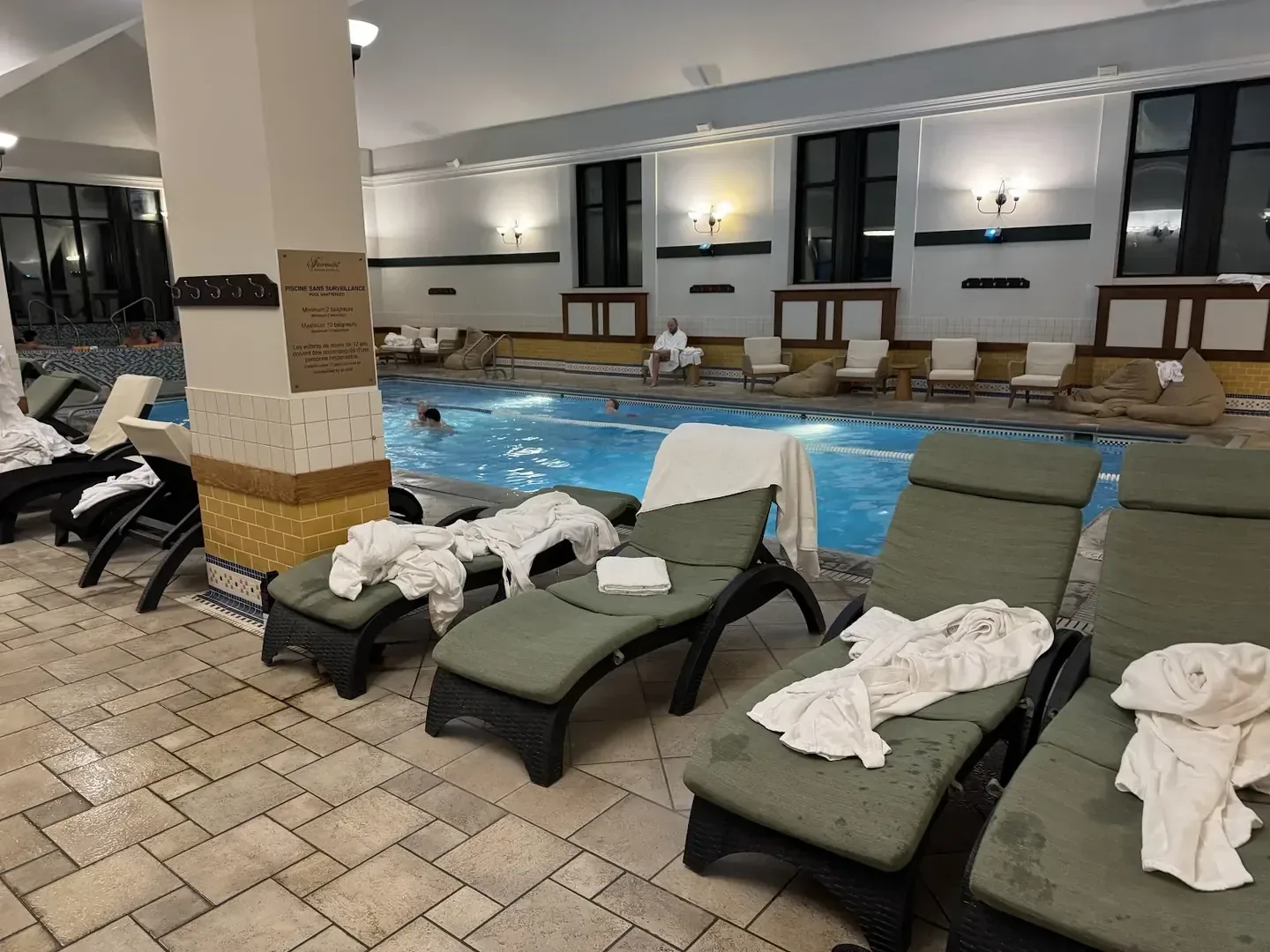
Waterfront Stays
Properties where a river, lake or harbour front does most of the work of the stay — the water is the headline, the rooms follow.
Open the catalog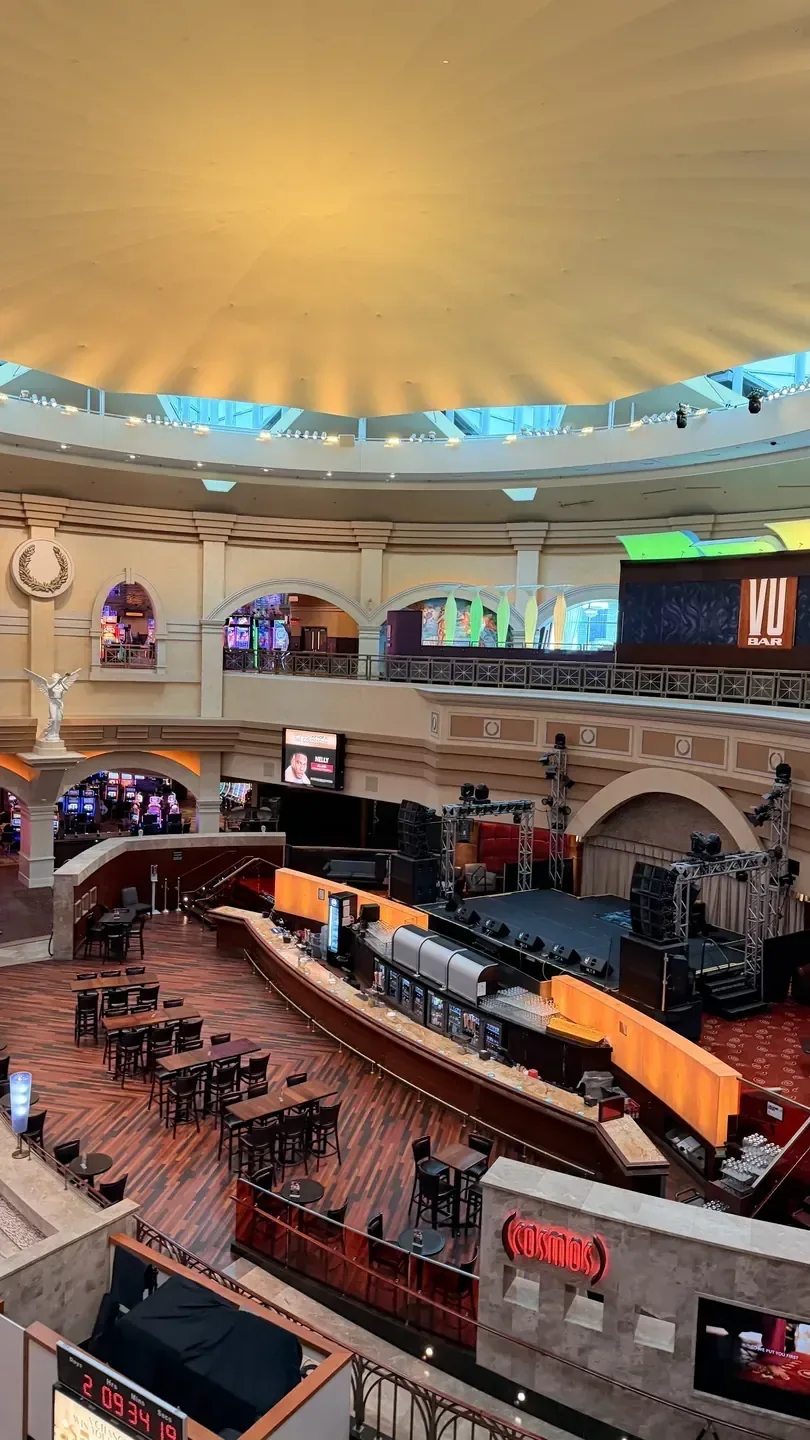
Places to Stay
A general cross-section of accommodation, read through rooms, location and the surrounding area — the working pages of the guide.
Open the catalogWhat a stay usually includes
Four blocks, on every entry
Every property in the guide is described against the same four blocks. Learn them once and every entry reads the same way.
Rooms
Guest rooms and suites are described by category and character: what the typical room holds, how it is furnished, and what it opens onto. No room counts, no made-up details — just what a reader should expect to see.
Dining
Where the food sits relative to the rooms: on the property or across the street, casual or formal, part of a larger resort offer or a standalone venue. The entry names the shape of the dining, not a menu.
Wellness
Spa, pool and fitness facilities where a property supplies them, described as one block among several rather than as the headline. A stay without them is noted honestly as one without them.
Public Space
Lobbies, event space, the play floor, the river walk — the shared rooms where a property shows its character. Public space is often what separates a hotel from a resort.
What to look for in a stay
Four things to check before you decide
These are the four questions the guide answers for every property, in the same order.
The setting
Water, mountain, prairie or city centre — the setting decides most of the stay. The guide states it plainly in the first line of every entry, so a property is never read out of its context.
How big the property is
A compact three-storey hotel and a full resort destination are different products at the same star class. Size changes what a stay feels like, and every entry says which kind of property it is.
Where the rooms sit
Next to the action or set apart from it, on the water or facing a quiet courtyard. The position of the guest floors inside the property is one of the first things the guide describes.
What surrounds it
The neighbourhood, the drive to the airport, the parks a short walk or ride away. A stay is never only the room, and the guide always names the surroundings the room belongs to.
Our commitment
One structure, applied to every property. No ranking, no pressure, no gaps left to fill.
The guide exists because property descriptions usually bend toward the sale: they lead with the best room, bury the setting, and end with a prompt to act. We inverted that. The structure is fixed, the tone is declarative, and the entry ends where the description ends.
Nothing on this site is for sale, and nothing here will ask you to act. When you have finished reading an entry, the next step is the property’s own listing page, where dates and details are handled by the people who hold them.
If an entry looks wrong or out of date, there is a desk to reach. Corrections are taken seriously, because the guide’s only asset is that it can be trusted.